gi lymphoma in cats bloodwork
Cats infected with the feline immunodeficiency virus FIV are also at higher risk for developing lymphoma. The gastrointestinal tract is the most common region affected.
Cat Lymphoma When To Euthanize Our Opinion
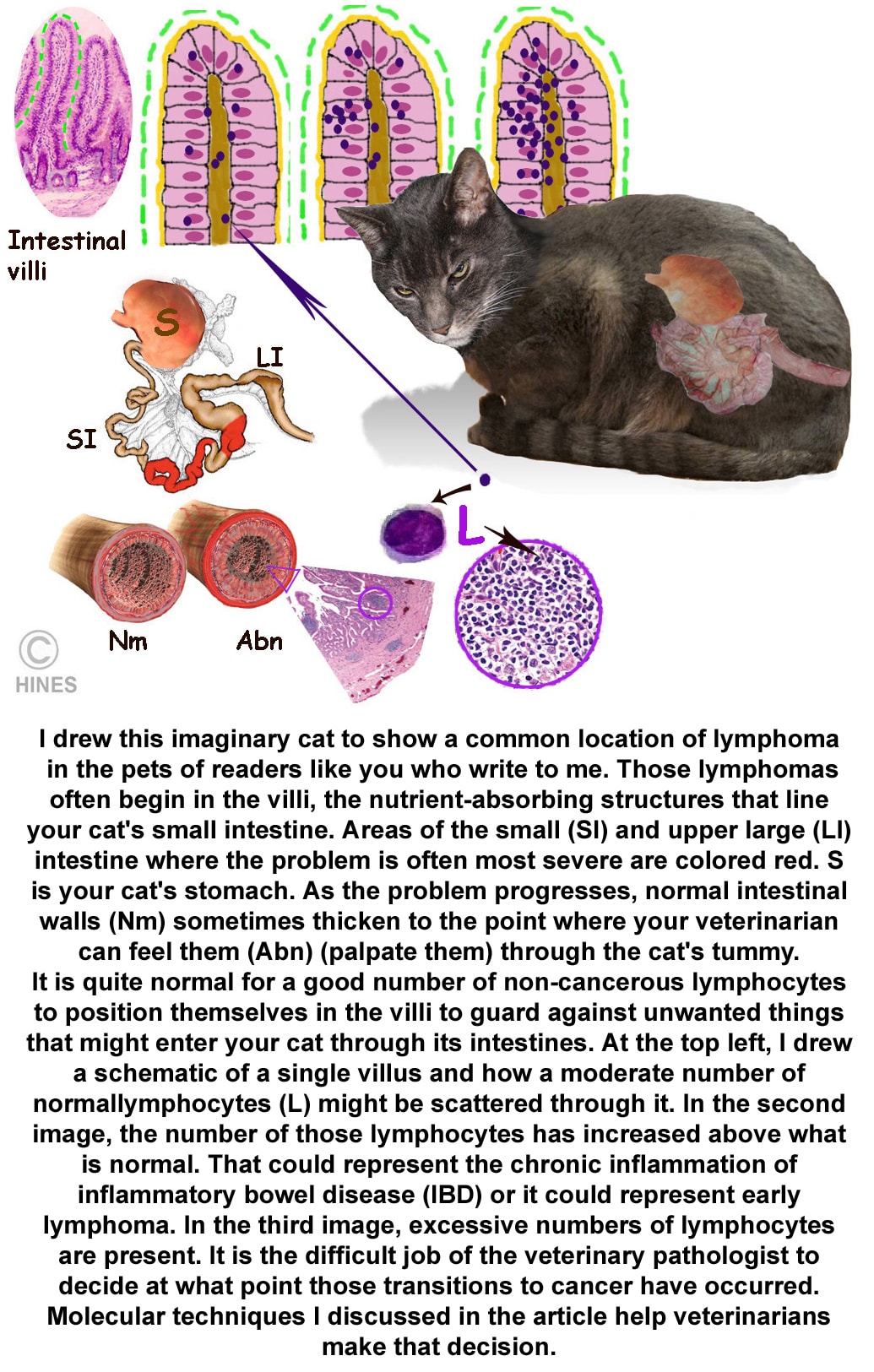
Intestinal lymphoma is the most common form of lymphoma in cats.
. Because lymphocytic inflammatory bowel disease IBD is a major differential for small cell GI lymphoma diagnosis requires full thickness ie surgical biopsies. In some cases feline lymphoma can be. This is by far the most common type of lymphoma in cats.
Changes in drinking and urination habits can be a sign of renal lymphoma. Generally lymphoma is found in older cats with males being slightly more predisposed than females. Hypoalbuminemia is rare in cats with ID so this finding should raise the suspicion for lymphoma S LSA or LLSA.
In this form of lymphoma lymphoid organs in the chest such as the lymph nodes or the thymus are. This type of lymphoma is linked to nearly 70 of cases in cats and is most common in seniors ranging from 10-13 years old. This particular type of cancer is known for more frequently affecting cats with the feline infectious virus FeLV because the immune system is already compromised.
After a thorough diagnostic workup and treatment trials to rule out other conditions a definitive. In cats lymphoma cells like lymphocytes can grow anywhere in the body but there are certain sites that are more commonly affected by lymphoma than others such as the GI tract mediastinum and lymph nodes. Gastrointestinal GI or alimentary lymphoma is the most common form of lymphoma in cats1-3.
This term describes lymphoma that affects the gastrointestinal tract. It typically involves several areas of the GI tract and can involve multiple lymph nodes the spleen liver and the bone marrow and blood. The history clinical signs and results of blood work and imaging for these conditions are nonspecific and often overlap.
Lymphoma is found to be responsible for around 90 percent of blood cancers and account for about 33 percent of all tumors in cats. Lymphoma is one of the most common cancers diagnosed in cats. In general lymphoma is a cancer of a type of white blood cell called a lymphocyte.
Feline GI lymphoma is histologically classified as low intermediate or high grade according to the size and anaplasticity of the neoplastic lymphoid cells. High-grade GI lymphoma specifically is an aggressive form of cancer in cats which is often wide spread at diagnosis. Inflammatory bowel disease IBD and small cell lymphosarcoma SCLSA are common causes of chronic gastrointestinal GI tract disease in cats.
Intestinal lymphoma originates in the GI tract and will often be accompanied by severe gastrointestinal symptoms. Gastrointestinal lymphoma in cats is a form of alimentary cancer which occurs in the intestinal tract of a catIt is perhaps one of the most common types of all cancer associated with cats. We typically see lymphoma in younger cats that are infected with FeLV or FIV and in older cats that are not infected with either virus.
Unlike lymphoma in dogs viral causes of feline lymphoma are well defined and the feline leukemia virus FeLV. Does lymphoma show up in blood work. Lymphoma accounts for one third of all cancers developed by cats.
As far as I know the only positive test is thru a biopsy. Lymphoma can occur in many areas of the body including the gastrointestinal tract kidneys liver lymph nodes skin chest cavity and nasal cavity. Intestinal lymphomas usually cause poor eating weight loss diarrhea and vomiting.
As the disease progresses lymphoma can affect other organs in the body. It is most often seen in senior cats and the prognosis and treatment depends on the type of lymphoma diagnosed small or large cell lymphoma. Small cell lymphoma may be managed for some time with medication whereas.
With IBD my understanding is that your cat is either vomiting frequently or having loose stools or diarrhea frequently or all or these issues. Blood tests are not used to diagnose lymphoma but they can sometimes help determine how advanced the lymphoma is. When the mediastinal lymph nodes become infiltrated with lymphoma a mass is apparent in the mediastinum and a cancerous fluid fills the chest restricting breathing.
Lymphoma in cats is now most commonly seen in the intestines. Not sure if anything shows up in a blood test or not. Moreover it is the most common cause of.
The most common type of lymphoma- gastrointestinal lymphoma- affects the gastrointestinal tract so causes weight loss diarrhoea and vomiting. Intestinal Lymphoma in Cats. The feline leukemia virus FeLV has been shown to cause lymphoma in cats.
Feline lymphoma is one of the most common cancers in cats and typically affects the gastrointestinal system. It is a cancer of the lymphocytes a type of white blood cell and is found throughout many areas of the body which include. Related Questions How do they test for lymphoma in cats.
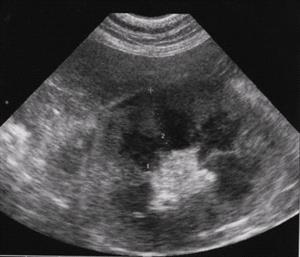
Obalamin vitamin 12 deficiency is common in cats with chronic gastrointestinal disease and may play a role in intestinal. Cats with lymphoma will show general signs of illness with a dull coat lethargy and changes in appetite being common symptoms. The blood tests are often normal but ultrasound of the abdomen may show thickened intestines enlarged abdominal lymph nodes and tumors.
The diagnosis of chronic enteropathy can include cats with chronic vomiting andor diarrhea cats with biopsy-diagnosed IBD inflammatory bowel disease and cats with small cell GI lymphoma. Low-grade small cell lymphocytic feline GI lymphoma is composed of small relatively well-differentiated. Written by Small Doors medical experts.
With lymphoma the cancer cells invade and destroy normal tissues. Your cat must have signs of chronic GI disease of more than 3 weeks duration have had non-GI causes of vomiting andor diarrhea ruled out. Occasionally cats can have hyperglobulinemia due to mild polyclonal gammopathy.
Lymphoma may involve neoplastic proliferation of T or B or non-Bnon-T type lymphocytes occurring primarily in the bone marrow lymph nodes and visceral organs. Lymphocytic aka small cell or low grade alimentary lymphoma most commonly occurs in the GI tract in cats. Lymph nodes spleen liver gastrointestinal tract and bone marrow.
Monoclonal gammopathy is rare.

Lymphoma In Cats Petmd

Read About Gastroenterology In This Article By Sandra Grover
Lymphoma In Your Cat

Diagnosing And Treating Lymphoma In Cats Firstvet

Read About Gastroenterology In This Article By Sandra Grover

Diagnosis And Treatment Of Feline Lymphoma Glories Veterinary Hospital
Cutaneous Lymphoma In Cats Veterinary Partner Vin

Lymphoma In Cats Veterinary Partner Vin

How To Diagnose Feline Intestinal Lymphoma 9 Steps

Lymphoma In Cats Atlantic Veterinary Internal Medicine
Lymphoma In Your Cat
Understanding Lymphoma In Cats

How To Diagnose Feline Intestinal Lymphoma 9 Steps

Lymphoma In Cats The Conscious Cat
Lymphoma In Cats Veterinary Partner Vin

How To Diagnose Feline Intestinal Lymphoma 9 Steps
What Blood Tests Can Tell You About Your Cat S Health

How To Diagnose Feline Intestinal Lymphoma 9 Steps

Read About Gastroenterology In This Article By Sandra Grover
